

In the rapidly evolving digital economy, user retention has become a critical factor in the success of financial apps. As competition grows in the fintech space, providing a seamless, secure, and personalized experience for users is essential for businesses aiming to build long-term relationships with their customers. One of the most innovative ways financial apps are achieving this is through the integration of white label crypto wallets. These wallets are transforming how businesses offer financial services, particularly by enabling instant payments, which play a crucial role in improving user retention.
This article explores the role of white label crypto wallets in enhancing user retention within financial apps, particularly by empowering users with fast, secure, and cost-effective digital payment solutions.
The Importance of User Retention in Financial Apps
User retention is critical for financial apps. While acquiring new users is important, retaining existing ones proves to be far more cost-effective. Financial apps often face fierce competition, with users quick to switch between platforms based on user experience, security, and convenience.
Challenges in the Financial Sector:
Financial apps face specific challenges in retaining users, such as:
- Low engagement. Users may abandon apps if the platform feels cumbersome or lacks personalization.
- Security concerns. The importance of security in financial apps cannot be overstated. If users feel that their money or personal data is at risk, they are likely to look for alternatives.
- Transaction delays. Slow payment processing times can frustrate users, especially when they need to access funds quickly.
In a space as dynamic as fintech, providing a seamless and efficient user experience is key to maintaining a loyal customer base. White label crypto wallets, with their customizable features and blockchain-backed benefits, offer a powerful tool for improving user retention.
What is a White Label Crypto Wallet?
A white label crypto wallet is a customizable digital wallet solution created by third-party developers. These wallets are designed for businesses to brand and integrate into their own apps. White label wallets offer a wide range of functionalities, including multi-currency support, real-time transactions, and enhanced security features, allowing businesses to provide a seamless and personalized experience for their customers.
Core Features of White Label Crypto Wallets:
- Multi-currency support. Businesses can offer users the ability to manage a wide range of digital assets, including Bitcoin, Ethereum, and stablecoins, all within one app.
- Advanced security. White label wallets integrate robust encryption, biometric authentication, and multi-signature security features to ensure that user data and funds are well-protected.
- Customizable user interface. Financial apps can customize the wallet’s design, branding, and user interface to align with their platform’s look and feel, offering a more cohesive and personalized experience for users.
- Blockchain integration. White label wallets are designed to interact seamlessly with blockchain networks, allowing businesses to provide instant, transparent transactions and secure storage of assets.
These features make white label wallets an ideal solution for financial apps seeking to improve user retention by offering fast, secure, and personalized payment experiences.
How White Label Crypto Wallets Enhance User Retention in Financial Apps
Instant Transactions. One of the main reasons users abandon financial apps is slow payment processing. White label crypto wallets use blockchain technology to offer instant transactions, allowing users to send or receive funds within minutes, without relying on third-party intermediaries. This speed enhances the user experience and helps users feel in control of their finances, leading to higher satisfaction and retention.
Cost-Effective Transactions. Traditional payment systems often come with high transaction fees, especially for international transfers. White label crypto wallets enable low-cost or even zero-fee transactions, making them an attractive option for users who want to avoid the hefty fees that often come with bank transfers or credit card payments. By reducing transaction costs, businesses can increase customer satisfaction and improve retention.
Seamless User Experience. White label wallets can be integrated directly into existing financial apps, ensuring that users don’t have to switch between different platforms to manage their assets. The seamless integration of crypto wallets into apps provides users with a unified, easy-to-use experience, which enhances engagement and loyalty.
Security and Trust. Blockchain’s decentralized nature offers enhanced security and transparency, ensuring that transactions are immutable and verifiable. By providing a secure environment for users’ digital assets and ensuring privacy, white label crypto wallets help build trust. Trust is a critical factor in user retention in the financial sector, as users are more likely to stay with a platform they believe is safe and secure.
Key Benefits of White Label Crypto Wallets for User Retention
Enhanced User Engagement. With white label crypto wallets, users are more likely to stay engaged due to the easy access to their digital assets. They can track their balance, make instant transactions, and interact with the blockchain without leaving the app. A continuous, frictionless user experience encourages users to return and interact with the app regularly.
Loyalty Programs and Incentives. White label wallets can integrate with loyalty programs, allowing users to earn rewards in the form of cryptocurrencies or tokens. For example, users could earn tokens for active usage or for reaching specific milestones. These rewards can be used within the app or transferred to other platforms, creating an additional incentive for users to stay loyal.
Cross-Platform Accessibility. In today’s mobile-first world, accessibility is crucial. White label crypto wallets support cross-platform access, allowing users to manage their funds and transactions seamlessly across desktop and mobile devices. This flexibility increases user satisfaction, as they can access their digital assets anytime, anywhere.
Personalized Experience. The ability to customize wallet settings, notifications, and user interfaces based on preferences helps businesses deliver a more personalized experience. By offering users a tailored environment, businesses can improve retention by making users feel valued and understood.
White Label Crypto Wallet: Walletverse
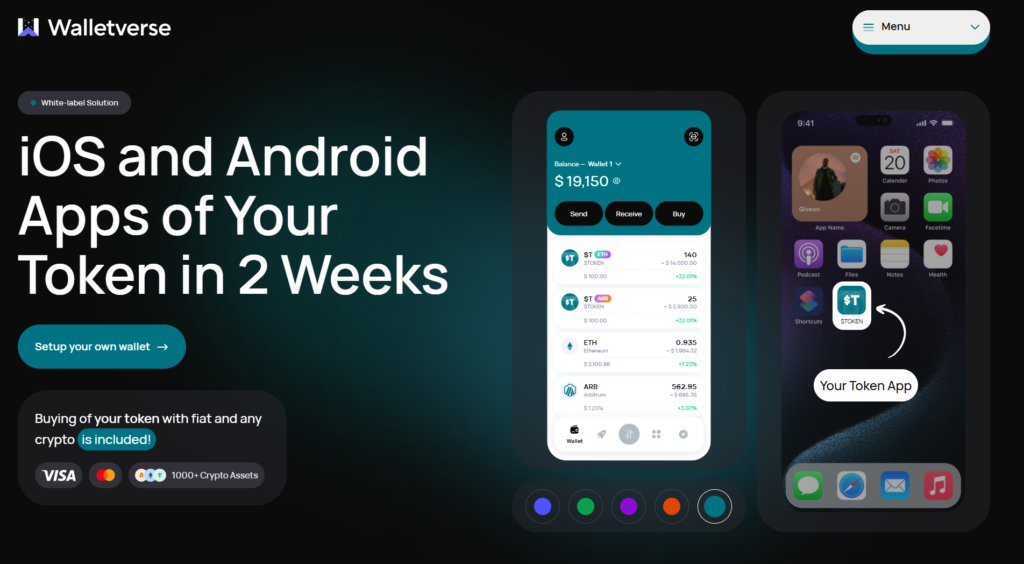
A leading example of a white label crypto wallet solution is Walletverse. This non-custodial mobile cryptocurrency wallet can be branded and launched by businesses in just two weeks. Walletverse supports over 1000 cryptocurrencies and integrates with popular payment systems like Visa, MasterCard, Google Pay, and Apple Pay, offering a seamless experience for users.
Walletverse’s robust security features, including biometric protection and advanced encryption, ensure that users’ assets are secure. The wallet’s customizable user interface and functionality provide businesses with the flexibility to offer a personalized experience, improving customer satisfaction and retention.
By leveraging Walletverse, financial apps can enhance user retention, streamline payment processes, and stay ahead of the competition in the rapidly evolving digital finance space.
Overcoming Challenges in Retaining Users with White Label Crypto Wallets
Regulatory Compliance. Navigating the complex regulatory environment surrounding cryptocurrencies can be challenging. Financial apps need to ensure their white label crypto wallet solutions comply with AML, KYC, and other regulations. Many white label providers offer built-in compliance features to address this issue, ensuring businesses can implement solutions without legal concerns.
User Education. While cryptocurrencies are gaining mainstream adoption, many users are still unfamiliar with how they work. Businesses need to invest in educating users about the benefits of using white label wallets, explaining how they enhance security, speed, and control over transactions. Offering tutorials, FAQs, and customer support can help ease the transition for new users.
Technical Integration. Integrating white label crypto wallets into existing financial apps can present technical challenges. However, most white label wallet providers offer extensive support and APIs to help businesses integrate the wallet seamlessly into their platforms. This reduces friction during implementation and ensures that businesses can launch quickly.
The Future of User Retention with White Label Crypto Wallets
AI-Powered Personalization. As artificial intelligence (AI) continues to develop, businesses can use it to further enhance the personalization of white label crypto wallets. AI can analyze user behavior and suggest tailored services, features, or content, creating a more personalized experience that keeps users engaged.
Integration with NFTs and Tokenized Assets. The future of white label wallets may involve expanding their capabilities to support NFTs (non-fungible tokens) and other tokenized assets. This could provide users with more ways to interact with their digital assets, creating a richer experience that encourages long-term retention.
Blockchain Interoperability. As more blockchain networks emerge, white label wallets will likely become increasingly interoperable, allowing users to manage assets across multiple platforms and networks. This seamless integration will ensure users stay within the app longer, as they’ll be able to access all their assets from one place.
White label crypto wallets are proving to be a powerful tool in improving user retention within financial apps. By enabling fast, secure, and cost-efficient transactions, these wallets provide an engaging, personalized experience that fosters long-term loyalty. As the demand for digital payment solutions continues to grow, businesses that leverage white label wallets will be better positioned to meet user expectations and stay competitive in the fast-paced world of financial technology.